“Kipkemboi”: A Village Genius, a Global Disruptor, and the Film Redefining African Storytelling
In a cinematic era often clouded by overused tropes and one-dimensional African narratives, “Kipkemboi” breaks through like a bolt of brilliance from Baringo’s highlands. Directed by acclaimed Nigerian filmmaker Charles Uwagbai, this Kenyan-Canadian thriller drama tells the gripping story of a young village genius whose algorithm shakes the foundations of global finance. Written by Joel […]

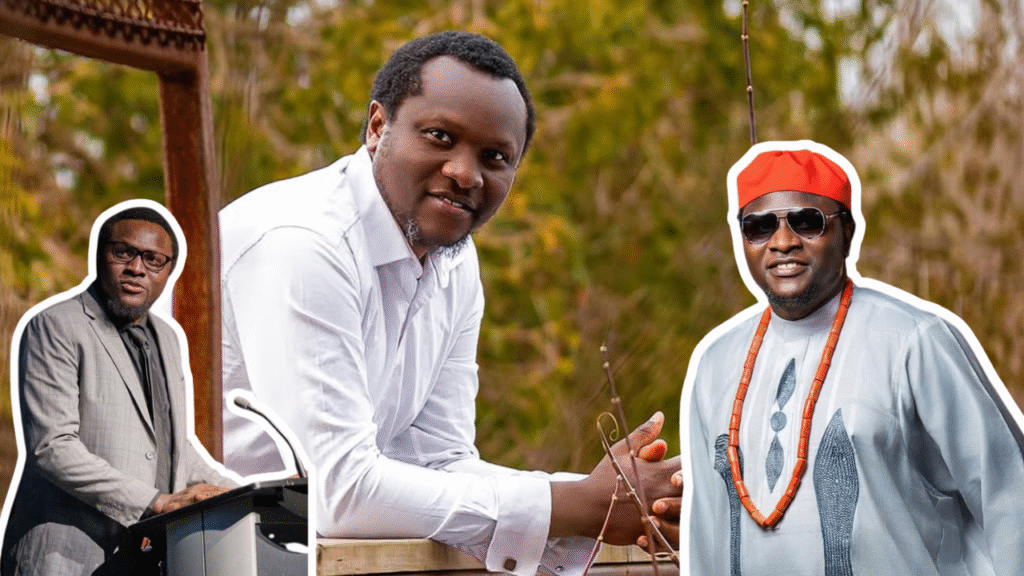
In a cinematic era often clouded by overused tropes and one-dimensional African narratives, “Kipkemboi” breaks through like a bolt of brilliance from Baringo’s highlands.
Directed by acclaimed Nigerian filmmaker Charles Uwagbai, this Kenyan-Canadian thriller drama tells the gripping story of a young village genius whose algorithm shakes the foundations of global finance.
Written by Joel Richardson and brought to life by producers Jennifer Jonas, Leonard Farlinger, and Kenya’s own Appie Matere, Kipkemboi is more than just a film it’s a statement.
Shot across Kenya and Canada, the movie follows Kipkemboi’s rise from a quiet boy in Metipso to an international disruptor, spotlighting themes of innovation, youth empowerment, and the global relevance of African brilliance.
Anchored by powerful performances from Thamela Mpumlwana, Elsie Chidera Abang, Abel Mutua, and Chichi Seii, the film defies stereotypes and elevates authentic storytelling.

With Safaricom stepping in to support both the red-carpet premiere and wide distribution, Kipkemboi signals a new chapter for Kenyan cinema—one where stories rooted in local soil are scaled for the world. It’s not just a movie; it’s a movement of African voices, ambition, and unapologetic excellence.
In this exclusive interview, director Charles Uwagbai opens up about the journey of making Kipkemboi, from casting the perfect leads to capturing the heart of Kenya’s highlands, navigating cultural authenticity, and the global message behind the story.
What drew you to the story of Kipkemboi, and why did you feel it needed to be told now?
What attracted me first was that this is a very positive story about an African boy genius. That’s not something we see often. Most stories about Africa focus on poverty, corruption, hunger, or war. But Kipkemboi shows a young African with brilliance, potential, and impact. It puts Africa in a positive light and shows the world what we’re capable of. That felt very timely and necessary.
READ ALSO: Heritage Reimagined: Global Voices Unite in Nairobi for Culture Grows Symposium 2025

As a Nigerian director telling a Kenyan-Canadian story, how did you ensure cultural authenticity across borders?
Africans, in many ways, share similar values and traditions. We believe in community, respect for elders, hard work, and humble living. Music and culture are a huge part of our daily lives. So, I connected naturally. Plus, I’ve been to Kenya a few times and even directed a film in Nairobi in 2016 titled Brother Jekwu, a Kenyan-Nigerian collaboration. Working with a brilliant local crew and actors also ensured authenticity.
Kipkemboi’s transformation from village genius to global disruptor is powerful. How did you bring that arc to life visually and emotionally?
We stayed true to the story we developed and focused on character growth. Visually, we showed the contrast between Kipkemboi’s humble rural roots and the world of global finance. Emotionally, I worked closely with the actors to keep it grounded and human. It was a team effort and the talent on set made that transformation feel real.
The film presents a strong narrative about innovation from underrepresented places. Was that a central theme for you from the start?
Yes, that was one of the most important things for us. Joel Richardson, the writer, has been going to Metipso in Baringo County for years. He met Olympic medalist Matthew Birir there, and the village left a deep impression on him. Joel always said Metipso changed his life. This film was his way of showing the greatness that can come from the smallest places.
READ ALSO: Refining Talent: Developing Africa’s Rich Creative Resources

There’s a strong message about how African success is sometimes met with suspicion. What inspired you to explore that idea?
That’s a reality many Africans face. There are so many incredible things being done by Africans every day, but often people don’t believe it until someone outside the continent validates it. We wanted to start that conversation and say, look, we are doing it already, and it’s time to be recognized.
What were the biggest challenges and surprises while shooting in both Kenya and Canada?
Filming in two countries meant a lot of travel, planning, and logistical challenges. We had to match environments and make it all feel like one cohesive world. But one surprise was how naturally the Canadian and Kenyan scenes blended. It all came together better than we expected.
Safaricom’s support added a tech and distribution edge to the film. How did that collaboration shape the film’s reach and impact?
We want every Kenyan to be able to see this film. Safaricom’s tech and distribution channels allow us to reach people across Kenya, even in remote areas. That’s important to us. If the story inspires one young person out there to believe in their ideas, it’s all worth it.
Thamela Mpumlwana plays Kipkemboi with quiet intensity. What made him the perfect choice for this role?
Casting Kipkemboi was one of our biggest challenges. We auditioned actors for weeks in both Kenya and Canada. Interestingly, we found Elsie (Chepchirchir) first. But once I saw Thamela’s audition, it was clear. He captured the soul of Kipkemboi. His presence, discipline, and depth were exactly what we needed.

Elsie Chidera Abang’s portrayal of Chepchirchir earned her a major award. What was your vision for her character?
Chepchirchir is not just a love interest. She is Kipkemboi’s emotional anchor. I wanted her to represent loyalty, strength, and groundedness. Elsie took that and ran with it. She worked so hard to get the accent, the emotions, and the depth of the role just right. She was a joy to direct, and I wasn’t surprised when she won that award.
How did working with Kenyan actors like Abel Mutua and Chichi Seii add depth to the film?
Chichi came in for auditions and blew us away. She brought elegance, emotional depth, and real authenticity. Abel’s role was originally written for someone in his 50s. But I thought, why not have a younger person in that role to show that young Africans can lead now, not just in the future? After a conversation, he got the vision and completely owned the role.
What do you hope the film says about youth empowerment and the untapped potential of African talent?
Africa’s youth are already taking center stage. We don’t need to wait for permission anymore. We must start looking inward and investing in our own talent. The future we want for Africa depends on the boldness and brilliance of our young people.

Looking ahead, are there more Kenyan or pan-African collaborations we can expect from you?
Yes. Joel and I are already writing a new project called Blood and Ivory. It explores the repatriation of African art and cultural identity. We’re also developing other projects and actively seeking co-productions and funding across Africa and internationally.
What were some of the biggest challenges and triumphs in shooting across two countries?
Managing two crews across continents and keeping visual and emotional continuity was no small task. But our biggest triumph was how unified the film felt in the end. We made a global film that still feels deeply African.
The film has already received acclaim and several nominations. Did you anticipate such global recognition?
I knew it was a special story, but honestly, the response has exceeded my expectations. It shows that if you tell something truthful and heartfelt, it will connect with people no matter where they’re from.
Beyond the plot, the film is described as showcasing “Kenya’s beauty.” Was this a conscious goal?
Yes, very much so. Kenya is a stunning country, especially the highlands in Baringo where Metipso is located. The landscapes are breathtaking. Many viewers have told us that after watching the film, they wanted to visit Kenya. That makes me proud.

If you had to distill the entire film into one core message for the audience, what would it be?
Hope can come from the most unexpected places. Never underestimate anyone based on where they come from.
What do you hope Kipkemboi contributes to the global perception of African stories and storytellers?
I hope it breaks the stereotype. African stories are not just about suffering. They’re about brilliance, innovation, and ambition too. I hope Kipkemboi inspires more African filmmakers to dream big and encourages the global industry to take African stories seriously.
READ ALSO: Photos: M-Pesa by Safaricom Delivers 18 Hours of Epic Sherehe at Uhuru Park
Reporter
0 Comments
Leave a Comment